COMIC COLLECTING
CORNER
A definitive odyssey through nine decades of ink, icons, and imagination. Across the Atlantic and through the Multiverse.
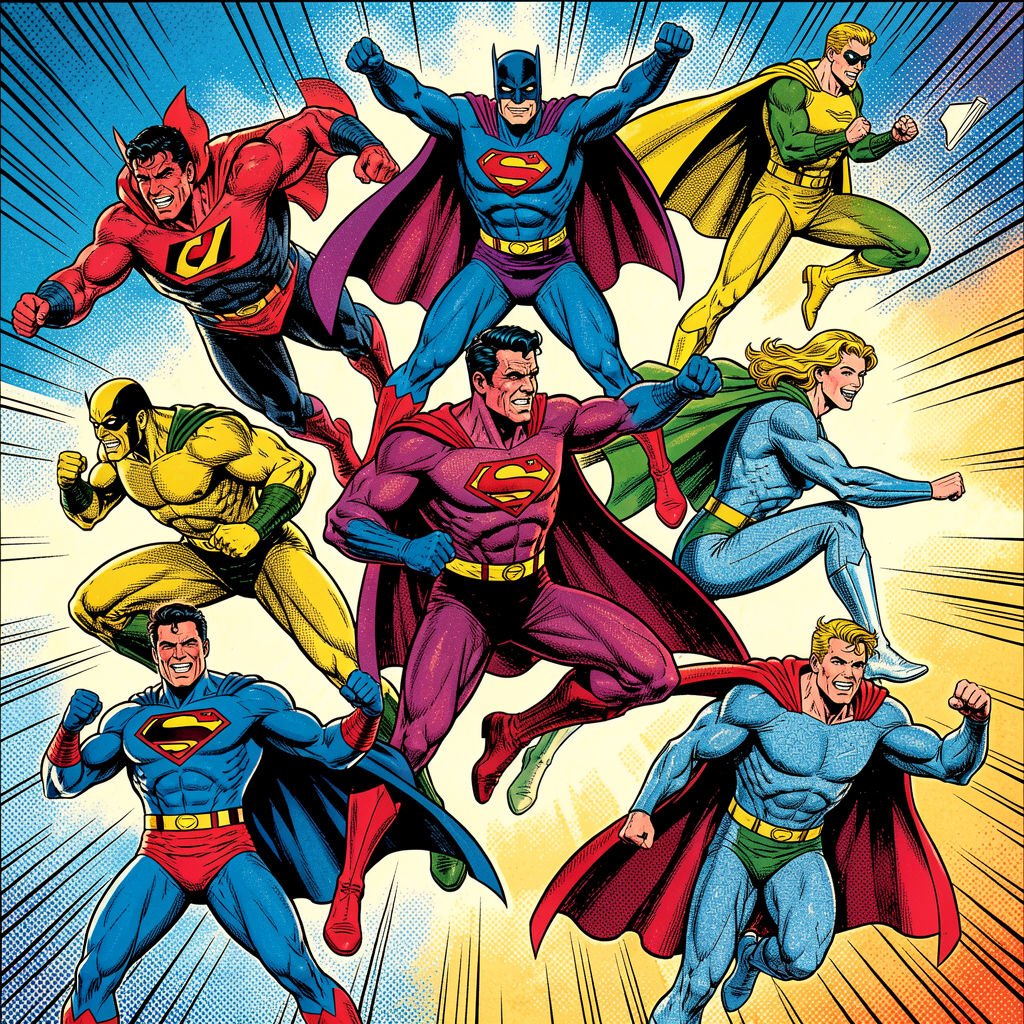
The Golden Age
"When the world was dark, the heroes arrived in primary colors to light the way."
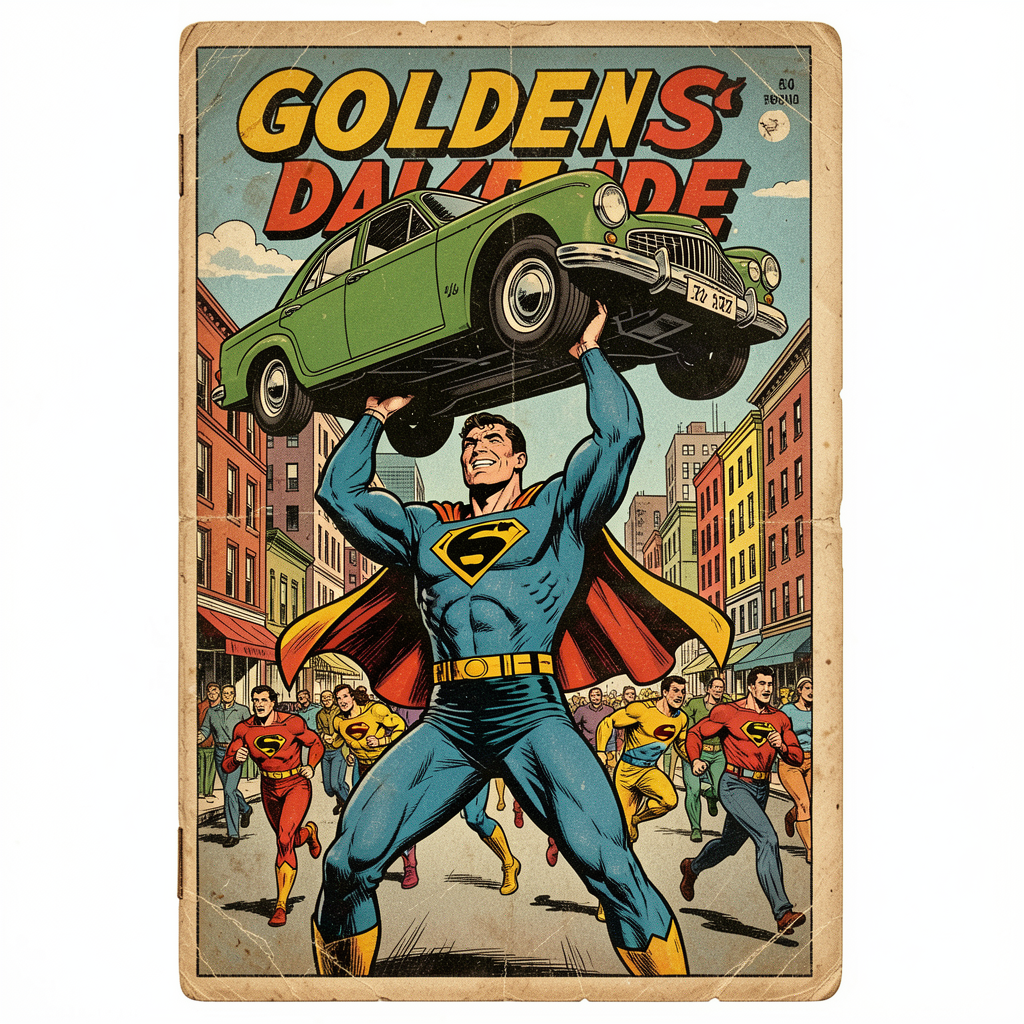
The Man of Tomorrow
June 1938 changed literature forever. Jerry Siegel and Joe Shuster introduced Superman to the world in Action Comics #1. It wasn't just a debut; it was the birth of a secular mythology that would span centuries.
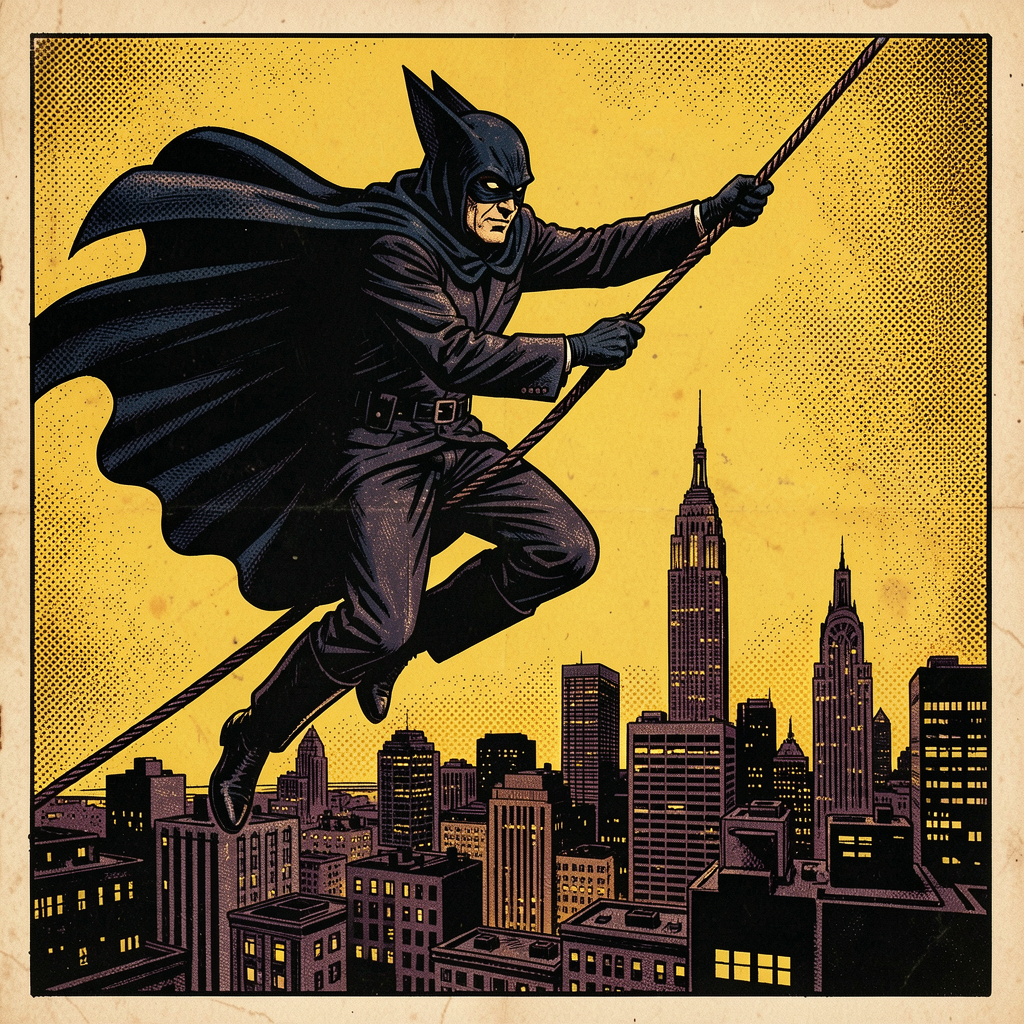
The World's Greatest Detective
Less than a year later, Bob Kane and Bill Finger brought shadows to the page. Batman emerged from the darkness in Detective Comics #27, proving that you didn't need superpowers to be a legend—just will and a bottomless bank account.
Across the Pond: UK Icons

Dan Dare: Pilot of the Future
The flagship of Eagle comic, Dan Dare was the quintessentially British answer to space exploration. Meticulously illustrated by Frank Hampson.
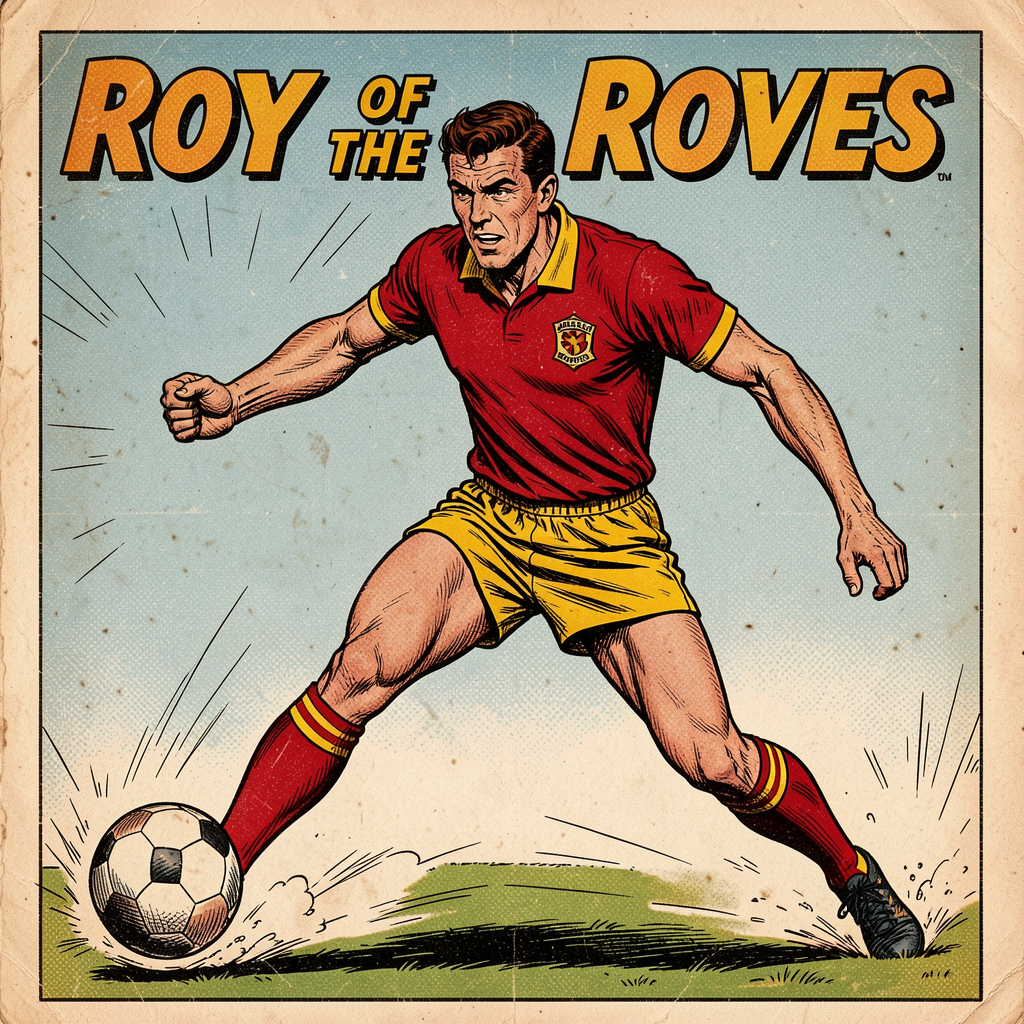
Roy of the Rovers
Roy Race's adventures with Melchester Rovers became a cultural touchstone for generations of UK football fans, blending pitch action with personal drama.
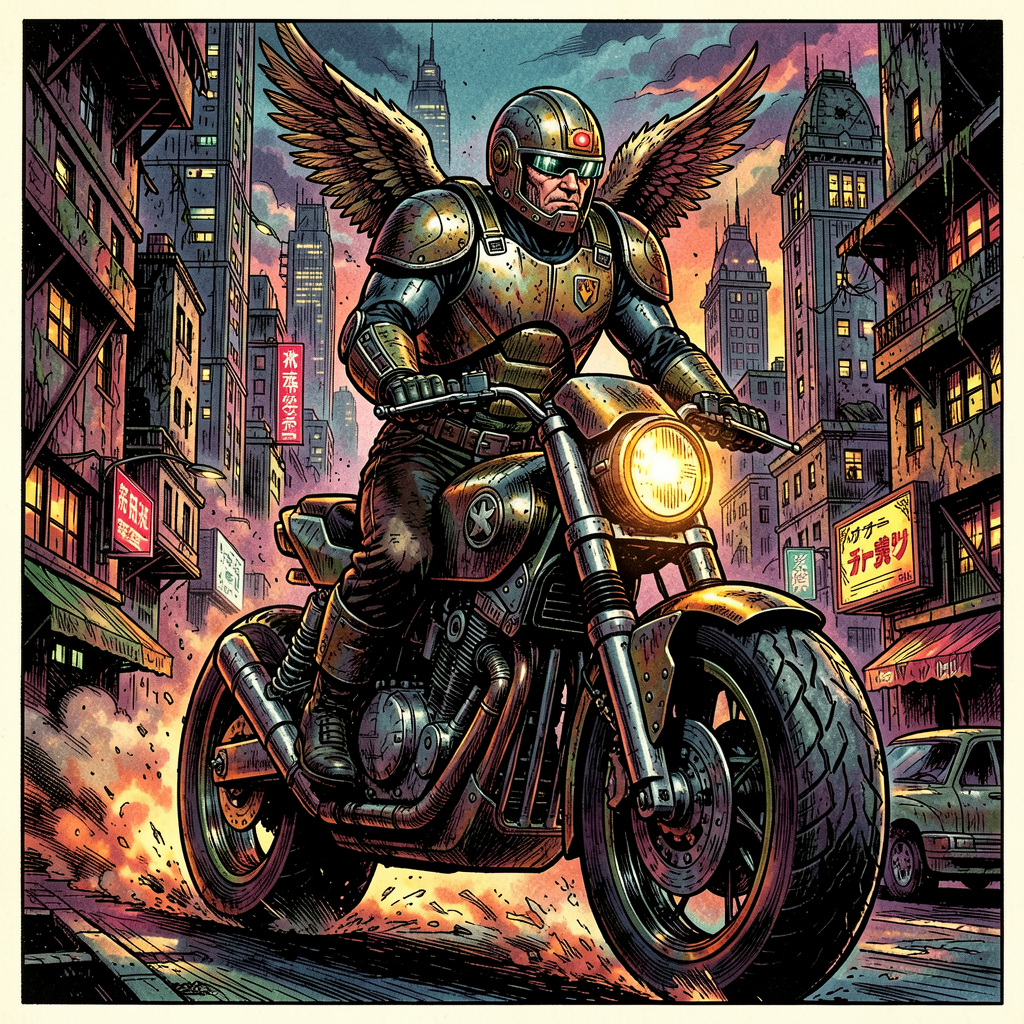
Judge Dredd
The law of Mega-City One. Dredd brought a satirical, often brutal edge to British comics that redefined the sci-fi genre in the 70s and 80s.

Dennis the Menace
The mischievous heart of The Beano. Dennis and his dog Gnasher have been terrorizing "softies" and delighting children since 1951.
The 1950s: A Golden Age of British Ink
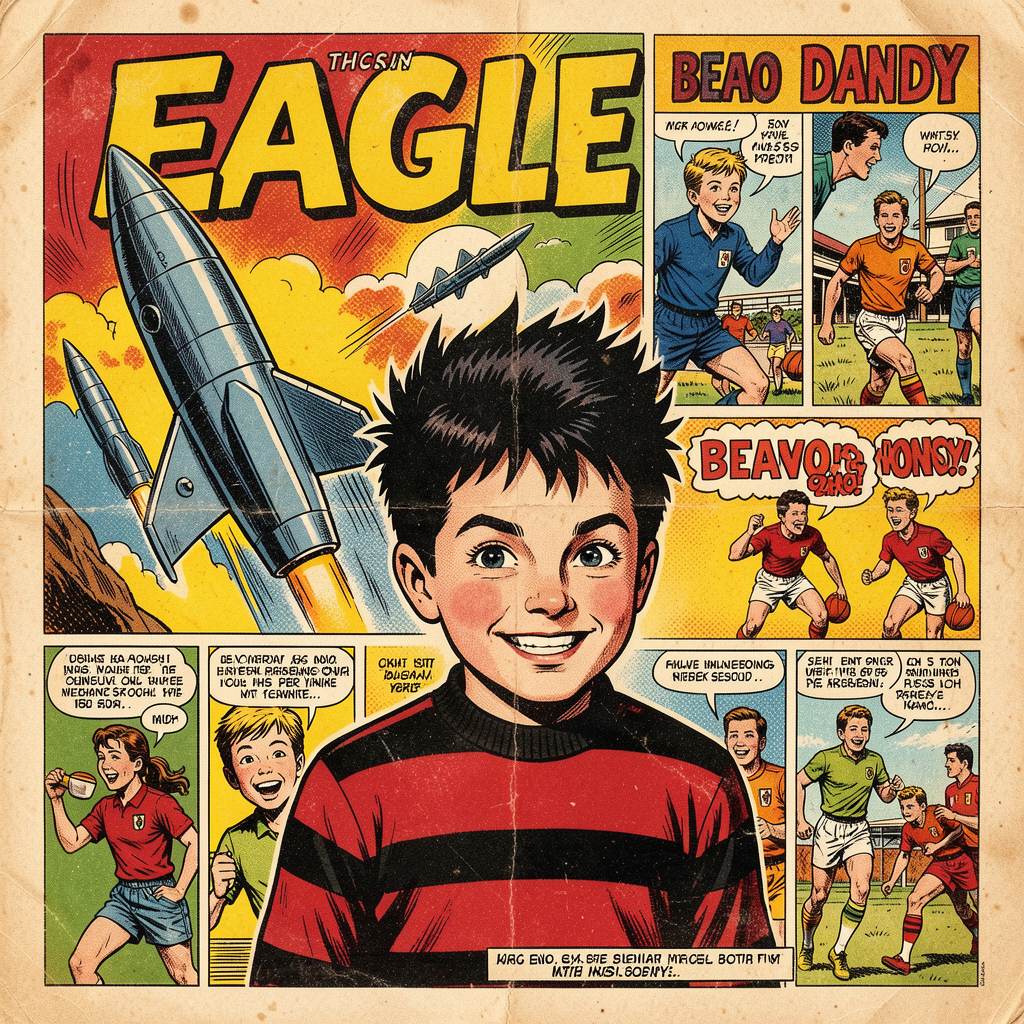
The 1950s represented a seismic shift in the UK comic landscape. While the US market was grappling with the restrictive Comics Code Authority, Britain experienced a unique creative renaissance. The launch of 'Eagle' in 1950 set a new gold standard, offering high-production values and scientifically researched stories that captivated a generation of post-war children hungry for adventure and technical optimism.
This pivotal decade introduced icons like Dan Dare, the Pilot of the Future, and saw humor titles like 'The Beano' and 'The Dandy' cement their roles as national institutions. With the arrival of characters like Dennis the Menace in 1951, the British comic found its unique voice—blending space-age wonder with irreverent schoolboy mischief that continues to resonate across generations today.
The Character Encyclopedia
From the uncanny to the absurd: A catalog of the faces that built worlds.
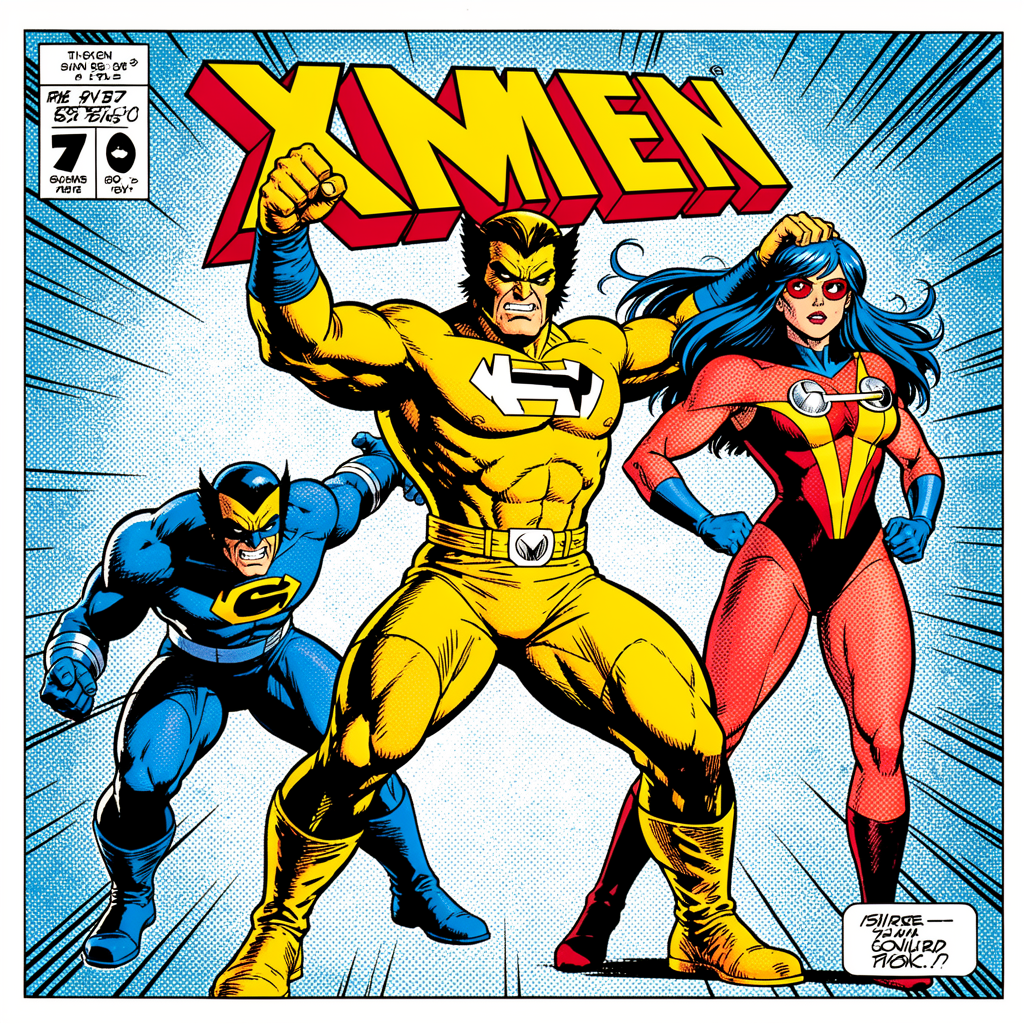
X-Men
Team • 1963
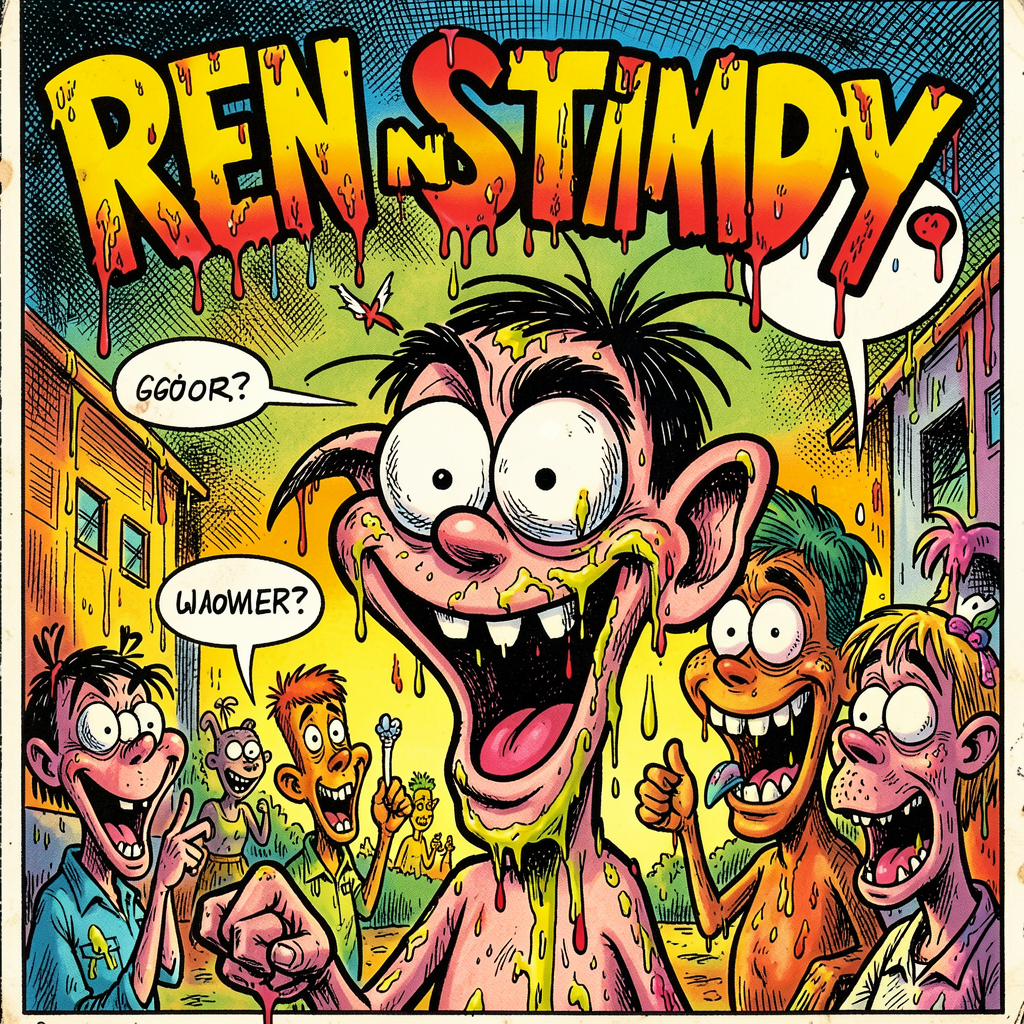
Ren & Stimpy
Duo • 1992
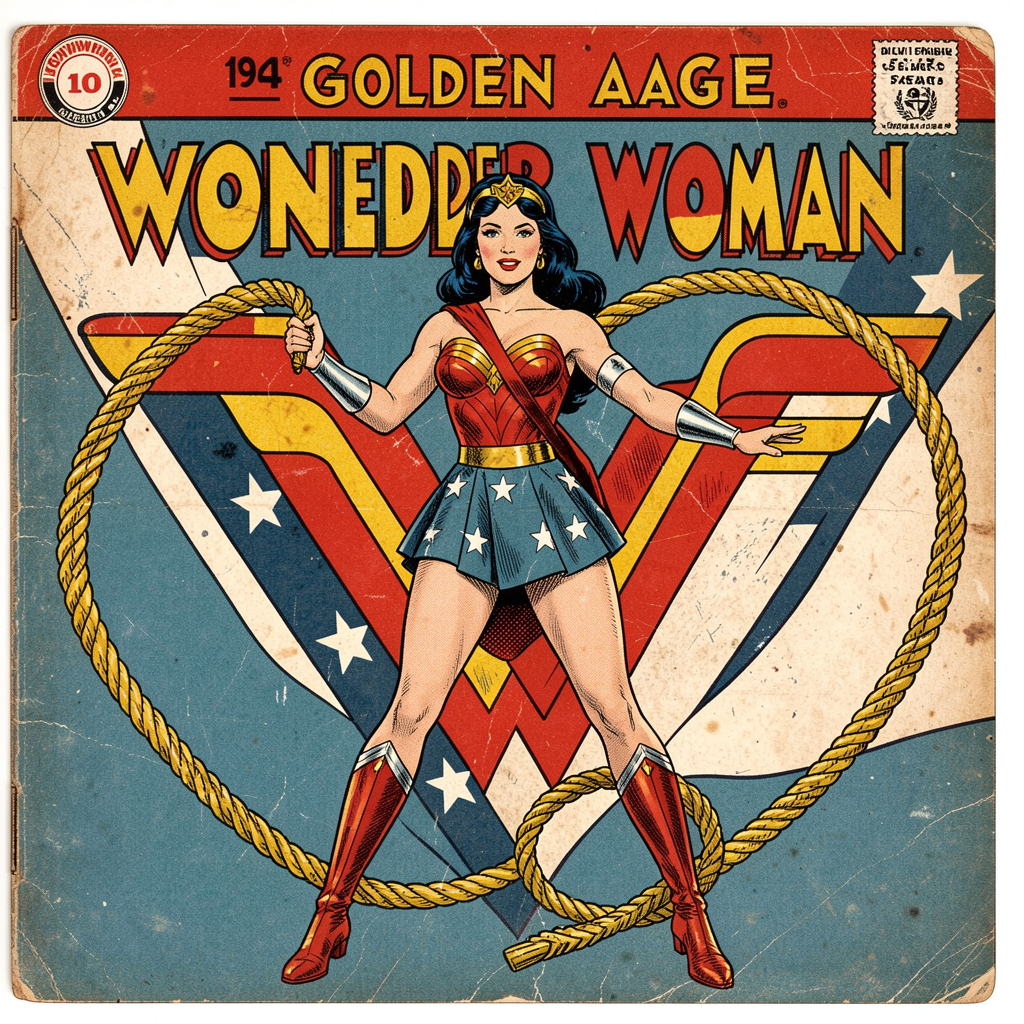
Wonder Woman
Heroine • 1941
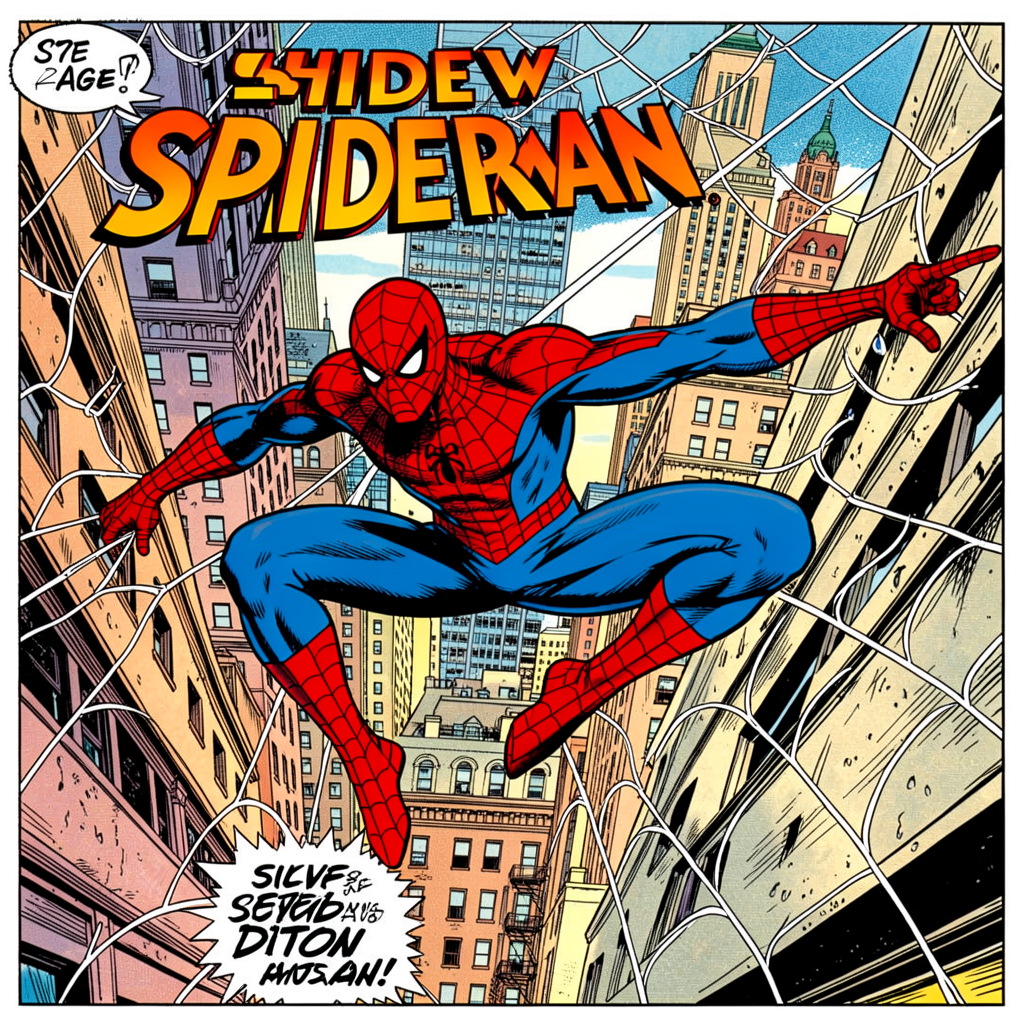
Spider-Man
Hero • 1962
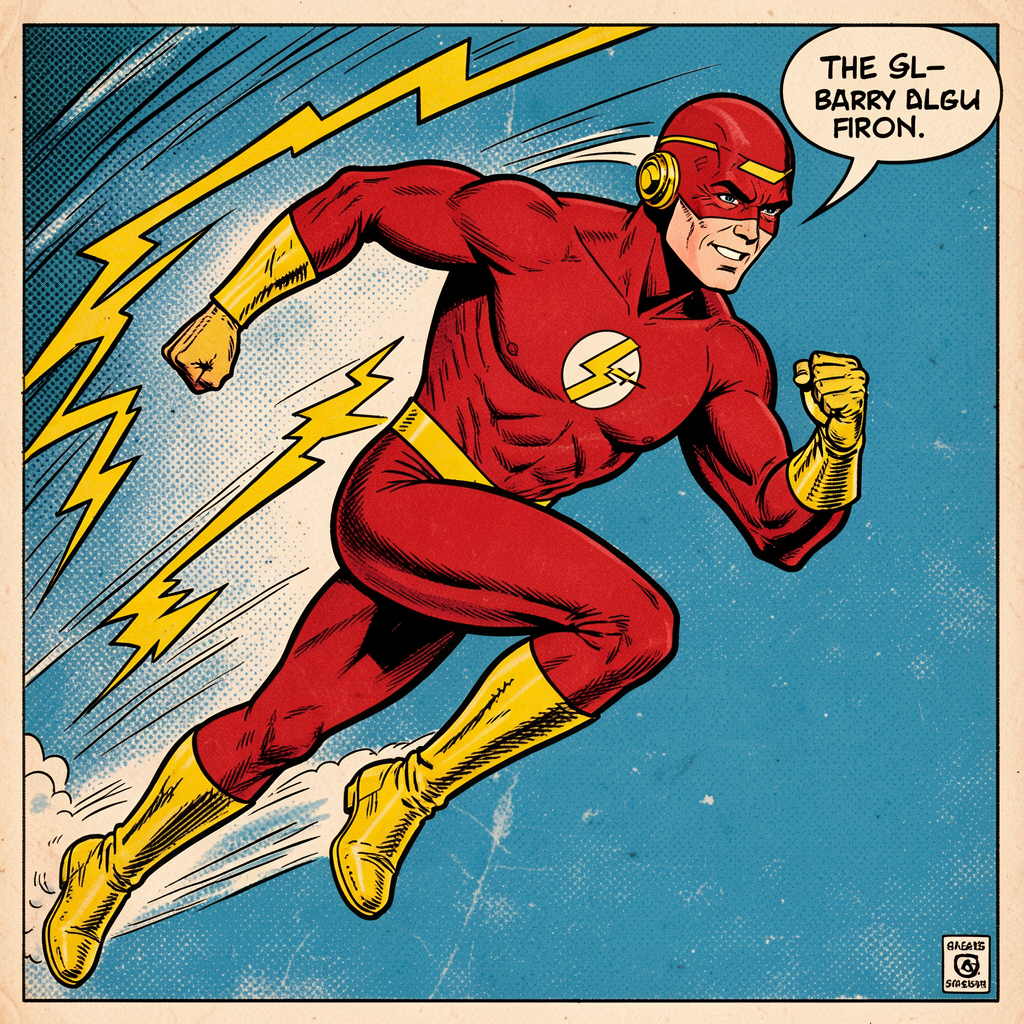
The Flash
Speedster • 1940

V for Vendetta
Anti-hero • 1982

Tank Girl
Anarchist • 1988

Modesty Blaise
Agent • 1963
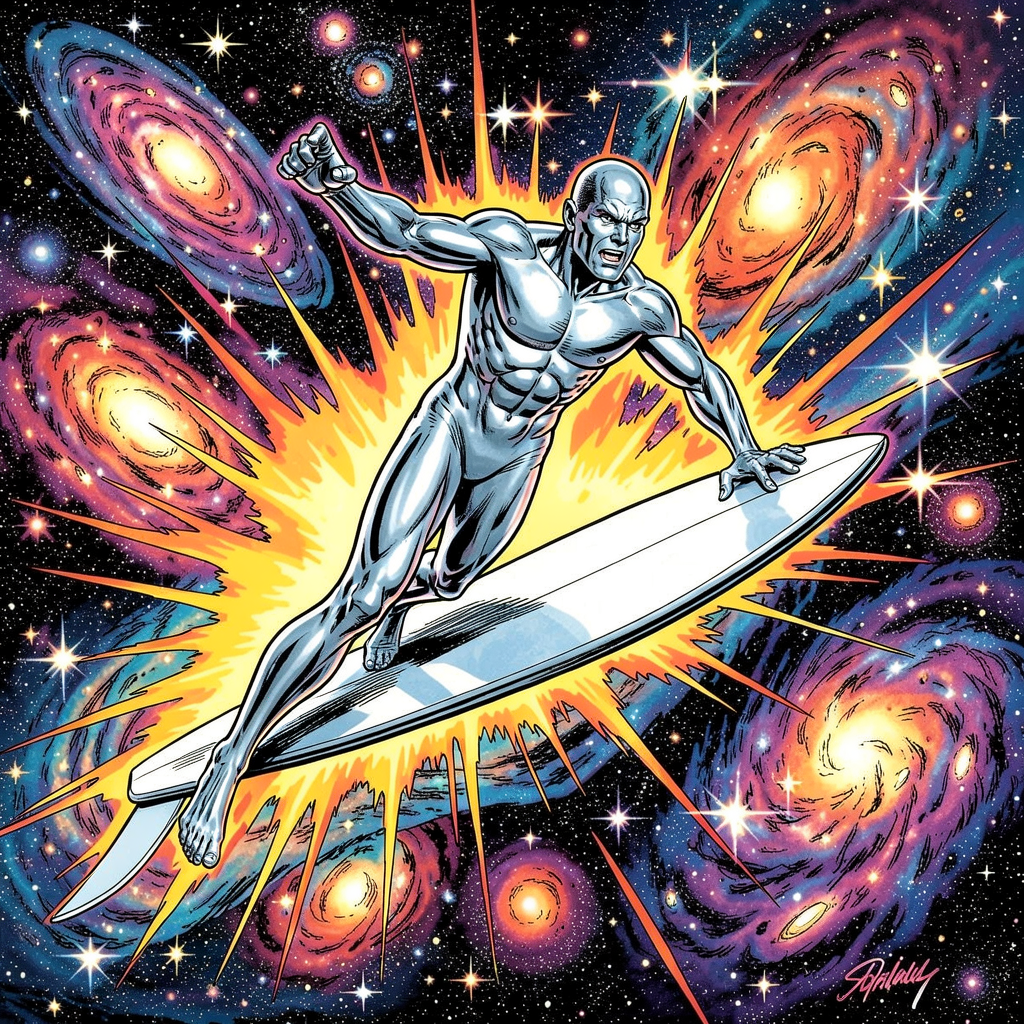
Silver Surfer
Cosmic • 1966
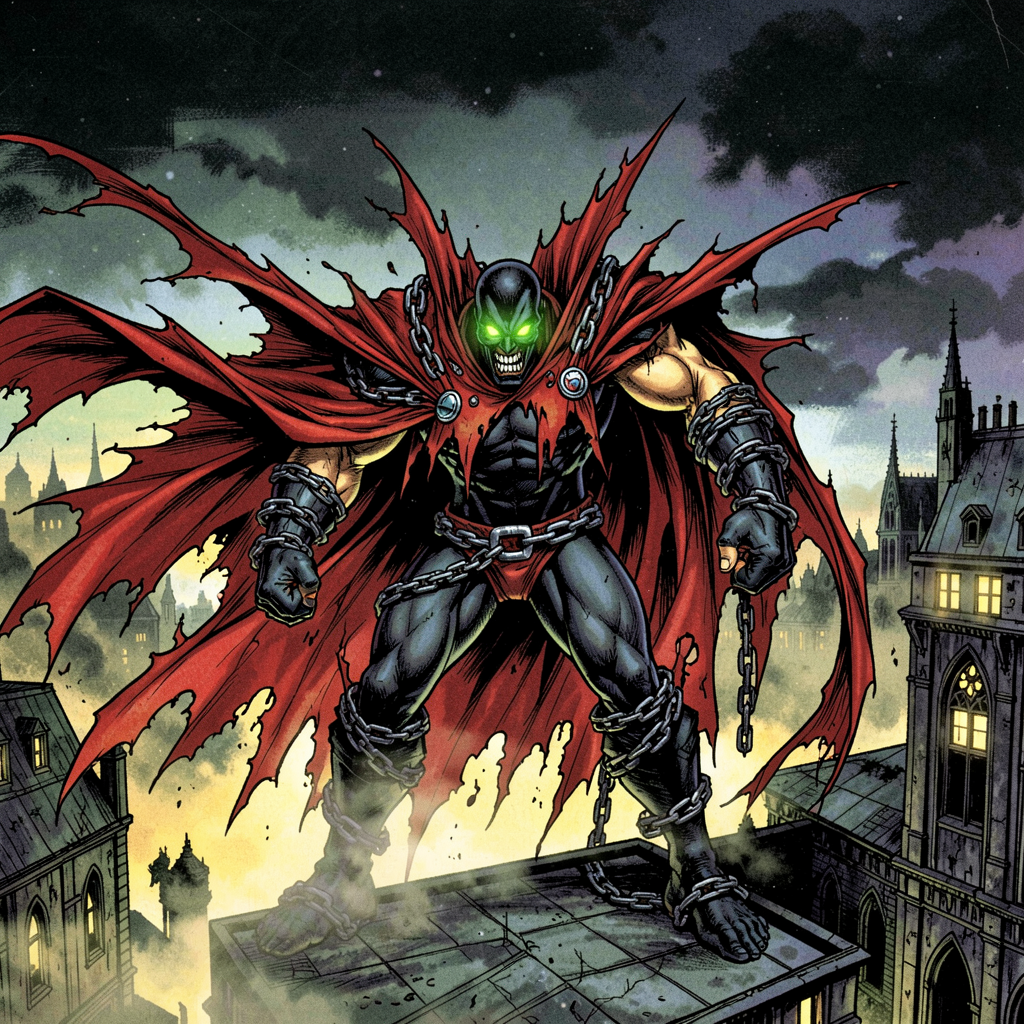
Spawn
Hellspawn • 1992

Hellboy
Demon • 1993

The Phantom
Ghost • 1936
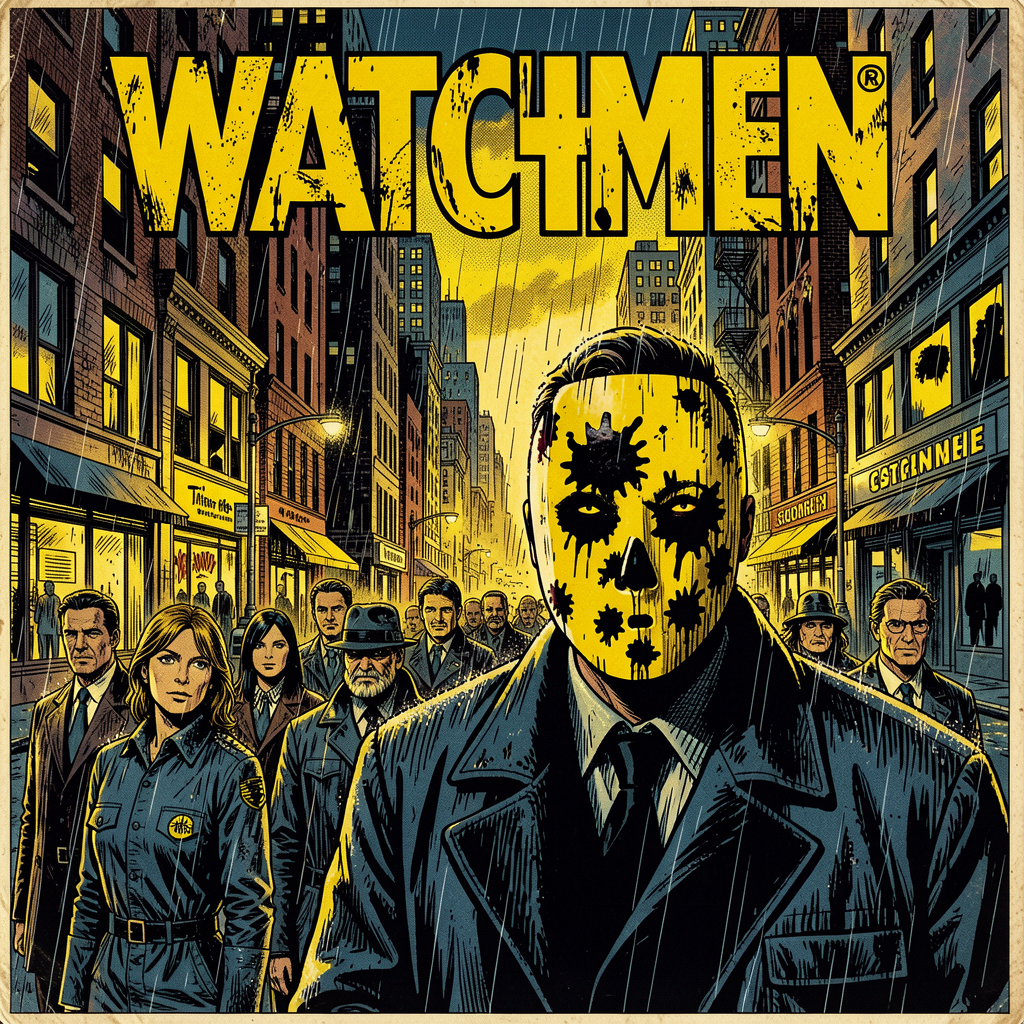
Watchmen
Team • 1986

Green Lantern
Cosmic • 1940
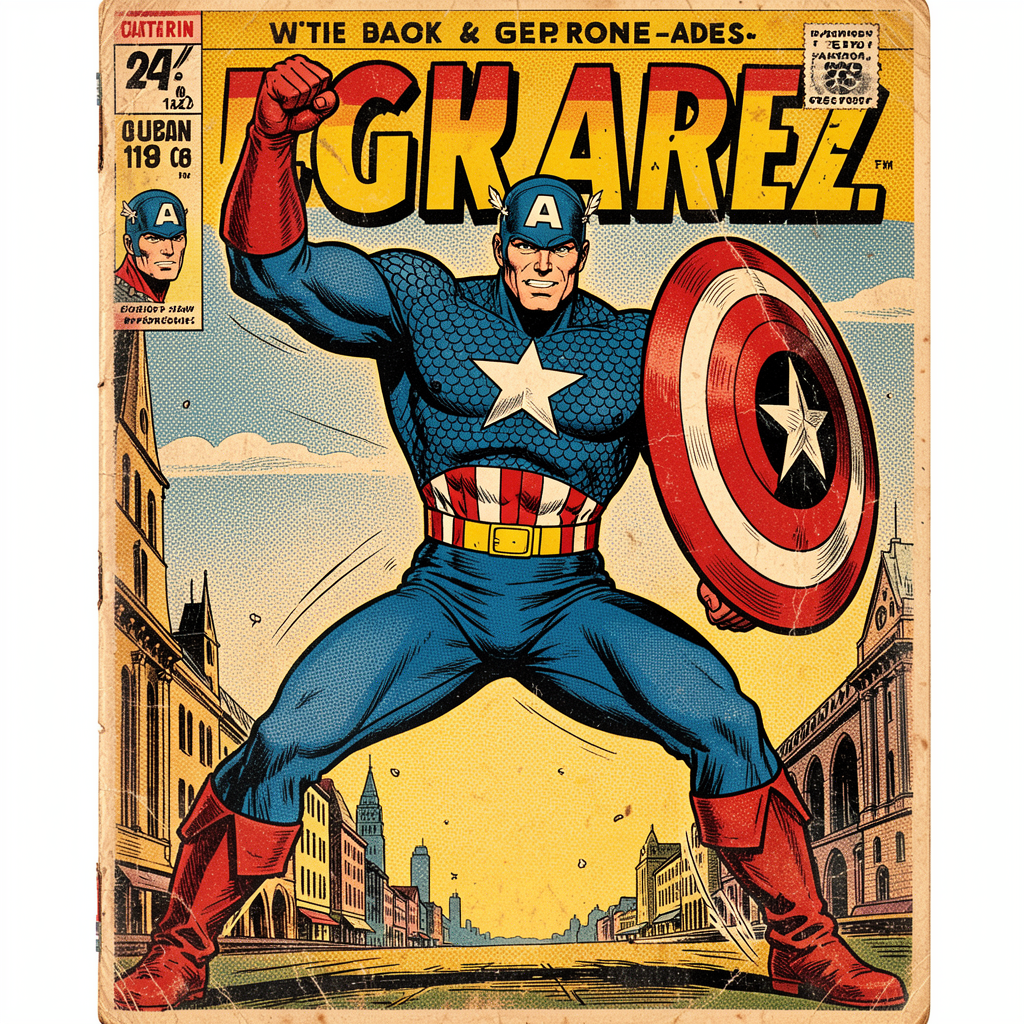
Captain America
Soldier • 1941
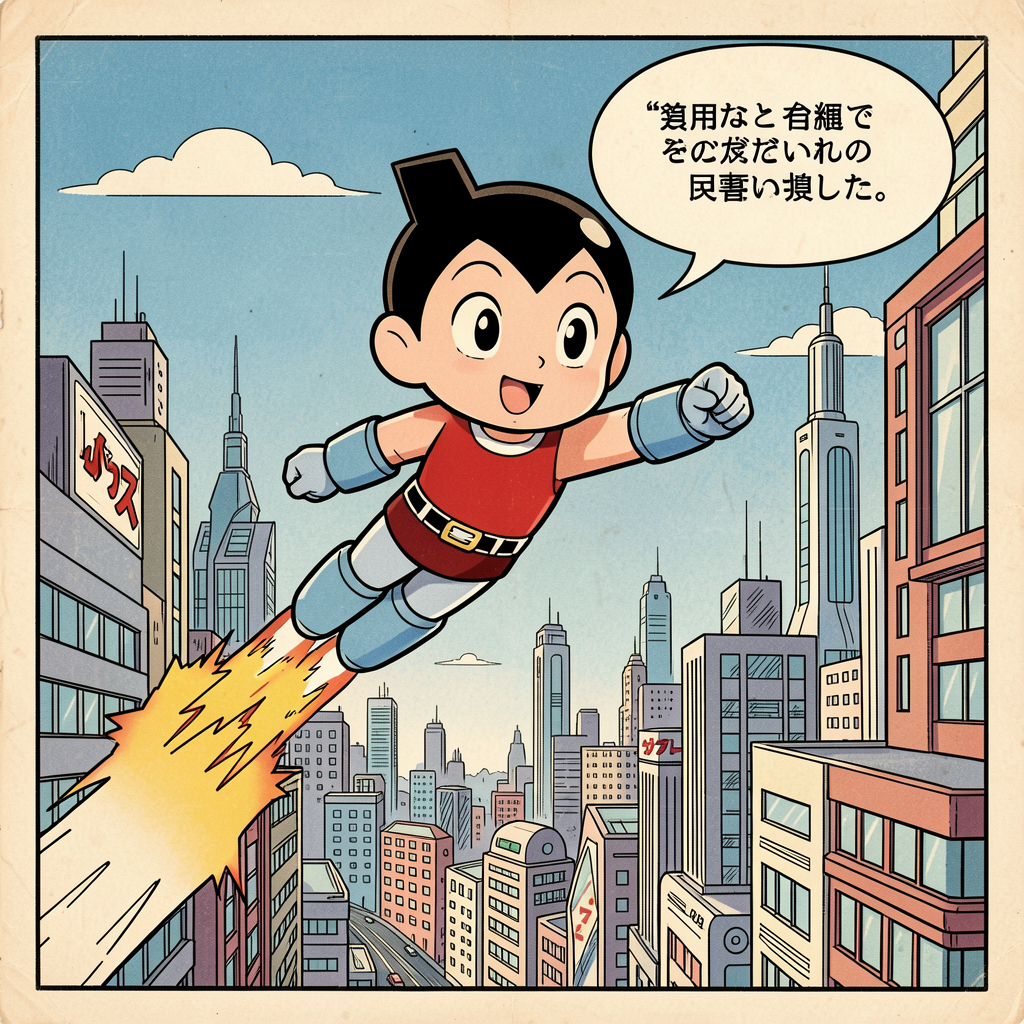
Astro Boy
Android • 1952

Tintin
Reporter • 1929

Wolverine
Mutant • 1974

The Spirit
Noir Hero • 1940
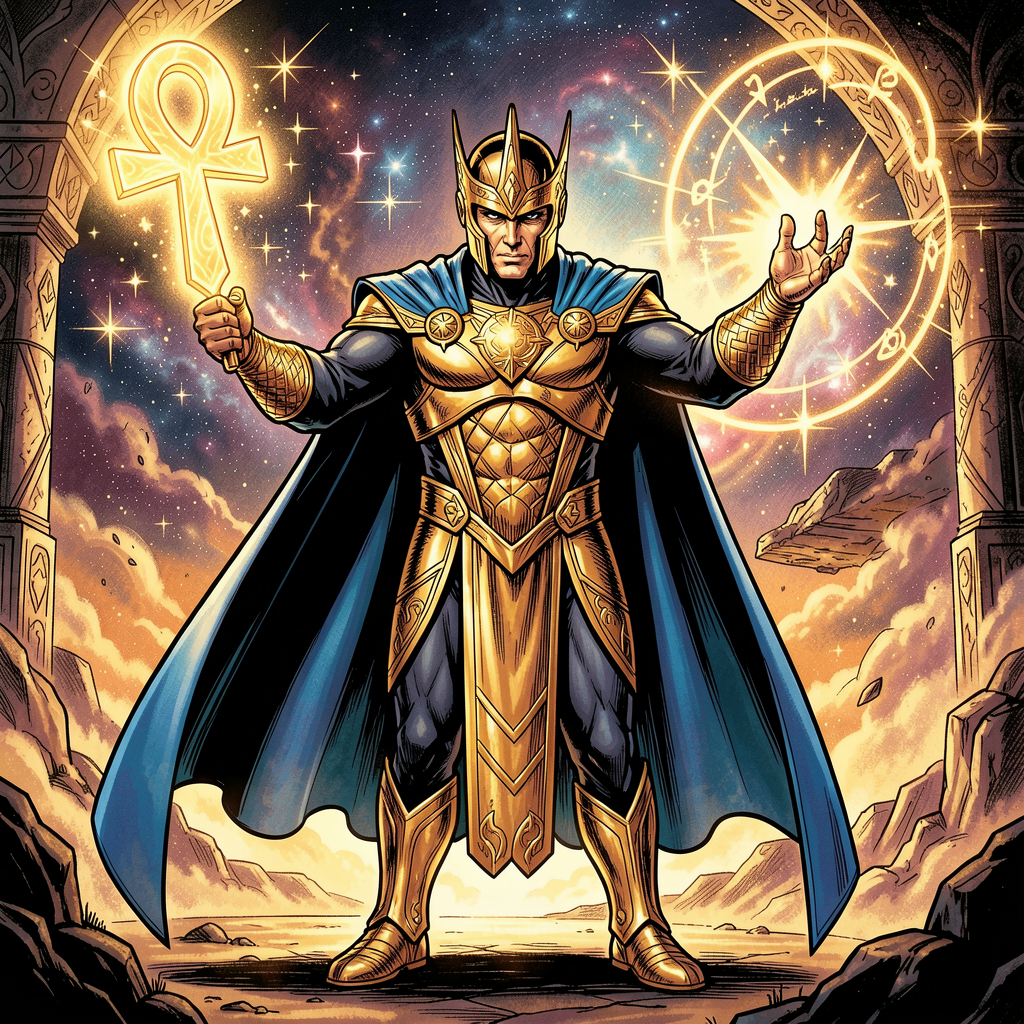
Doctor Fate
Sorcerer • 1940
The Flash
Speedster • 1940
V for Vendetta
Anti-hero • 1982
Tank Girl
Anarchist • 1988
Modesty Blaise
Agent • 1963
Silver Surfer
Cosmic • 1966
Spawn
Hellspawn • 1992
Hellboy
Demon • 1993
The Phantom
Ghost Who Walks • 1936
Watchmen
Team • 1986
Green Lantern
Cosmic • 1940
Captain America
Soldier • 1941
Astro Boy
Android • 1952
Tintin
Reporter • 1929
Wolverine
Mutant • 1974
The Spirit
Noir Hero • 1940
Doctor Fate
Sorcerer • 1940
The Art of the Hunt: A Guide to Collecting
"Collecting isn't just about owning a piece of paper; it's about holding a physical fragment of a dream."
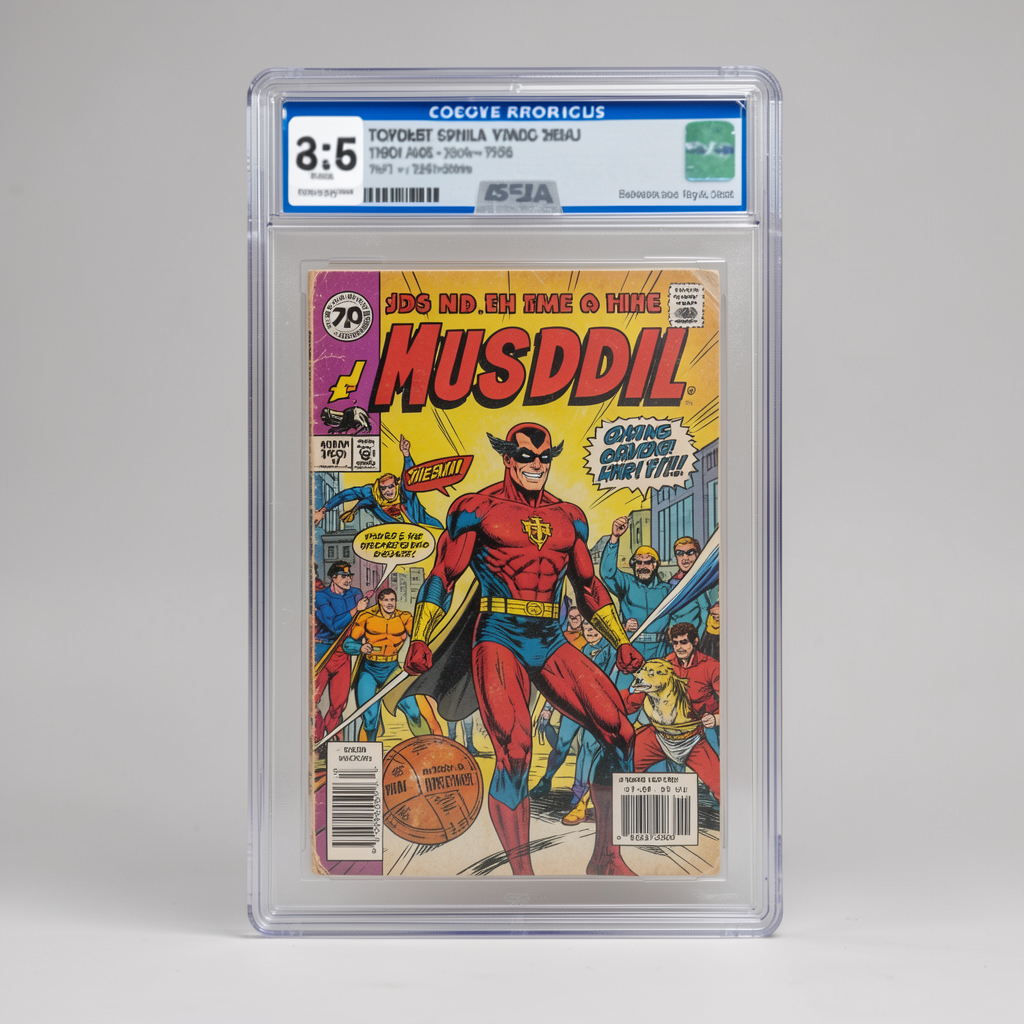
In the world of high-stakes comic collecting, the difference between a hundred-dollar book and a million-dollar book often comes down to a few millimetres of spine stress or a single blunted corner. For the uninitiated, the "Golden Age" (1938–1950) represents the holy grail. Books like Action Comics #1 or Detective Comics #27 have crossed the $3 million mark at auction, transitioning from children's entertainment to serious alternative assets.
What to look for:
- Key Issues: First appearances of iconic characters, origin stories, or major costume changes (like Spider-Man's black suit in Secret Wars #8).
- Condition (CGC/CBCS): Professional grading on a 10-point scale is essential. A 9.8 (Near Mint/Mint) book is exponentially more valuable than a 9.0.
- Provenance & Pedigree: Books from famous collections (like the Mile High or Edgar Church collection) carry a premium.
Don't sleep on the "Bronze Age" (1970–1985). While the Golden Age has the price tags, the Bronze Age has the grit. Issues like The Incredible Hulk #181 (First Wolverine) or Giant-Size X-Men #1 are currently the blue chips of the market, offering steady growth for collectors looking to enter the game.
The British "Grails"
While US comics dominate the financial headlines, British classics are seeing a resurgence. Look for early Eagle issues featuring Dan Dare, or the elusive 2000 AD #1 (which came with a free 'Space Spinner' toy—finding one with the toy still attached is a collector's dream). Original Beano and Dandy holiday specials from the 40s and 50s are also highly prized for their cultural heritage value.
Eras of Illustration
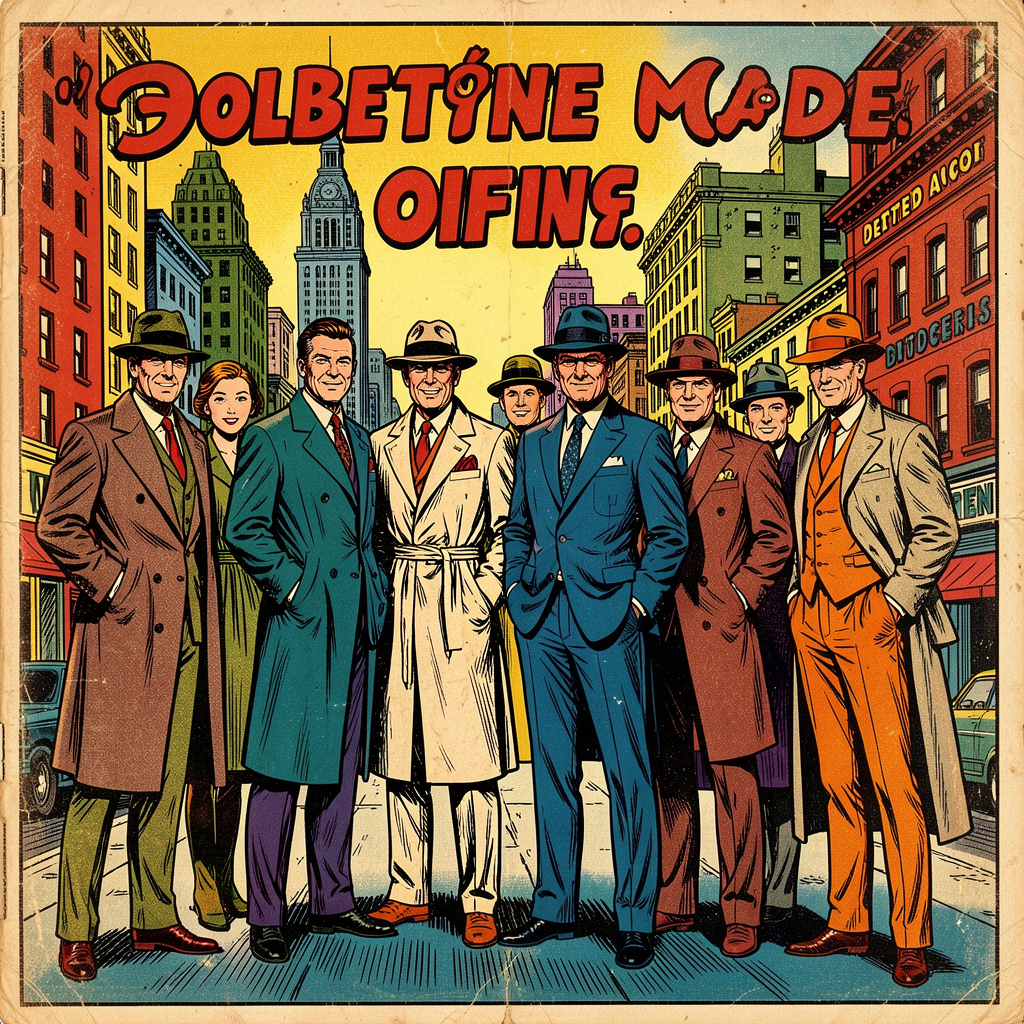
1930s-1940s
THE GOLDEN AGE
The dawn of the superhero. Escapism during the Great Depression and World War II. Introduction of moral archetypes and the sidekick trope.
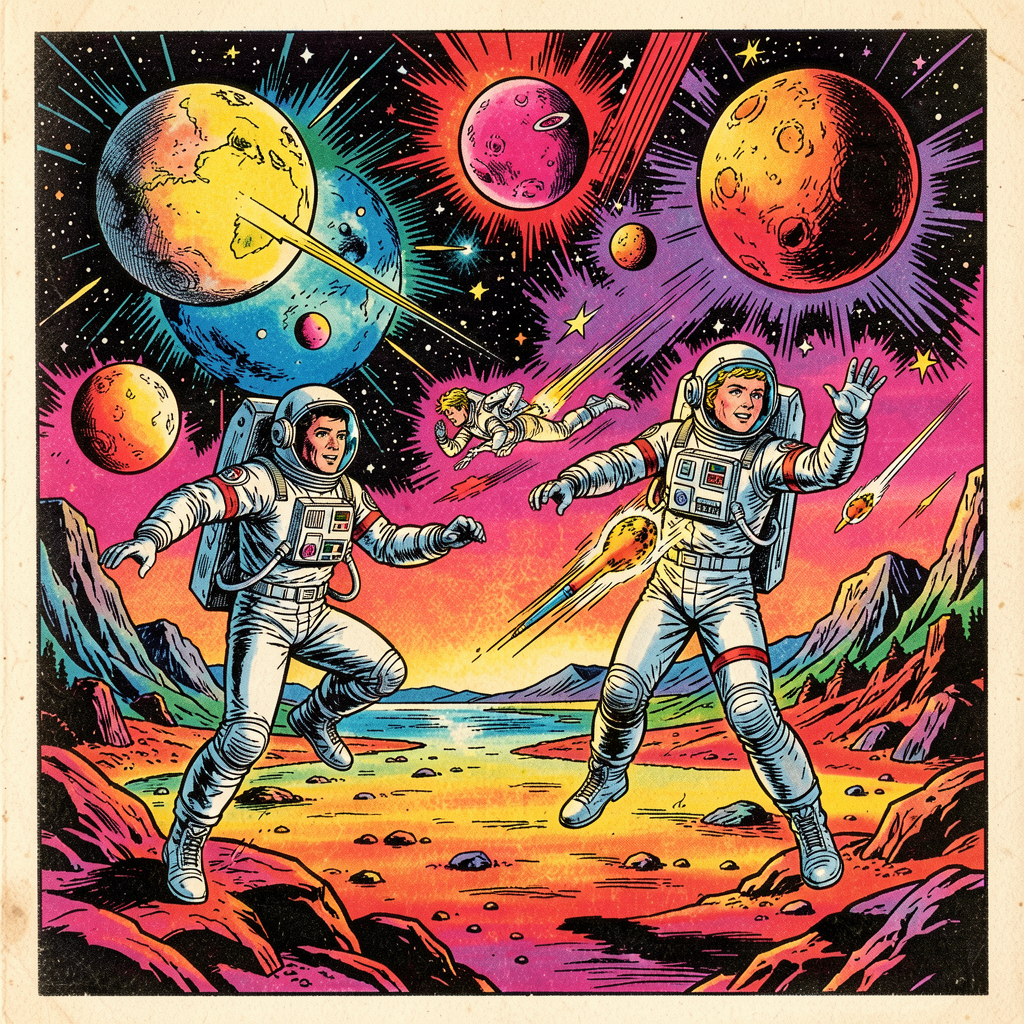
1950s-1960s
THE SILVER AGE
The space race influences sci-fi themes. Reimagining old heroes with scientific origins (The Flash, Green Lantern). The rise of Marvel's flawed heroes.
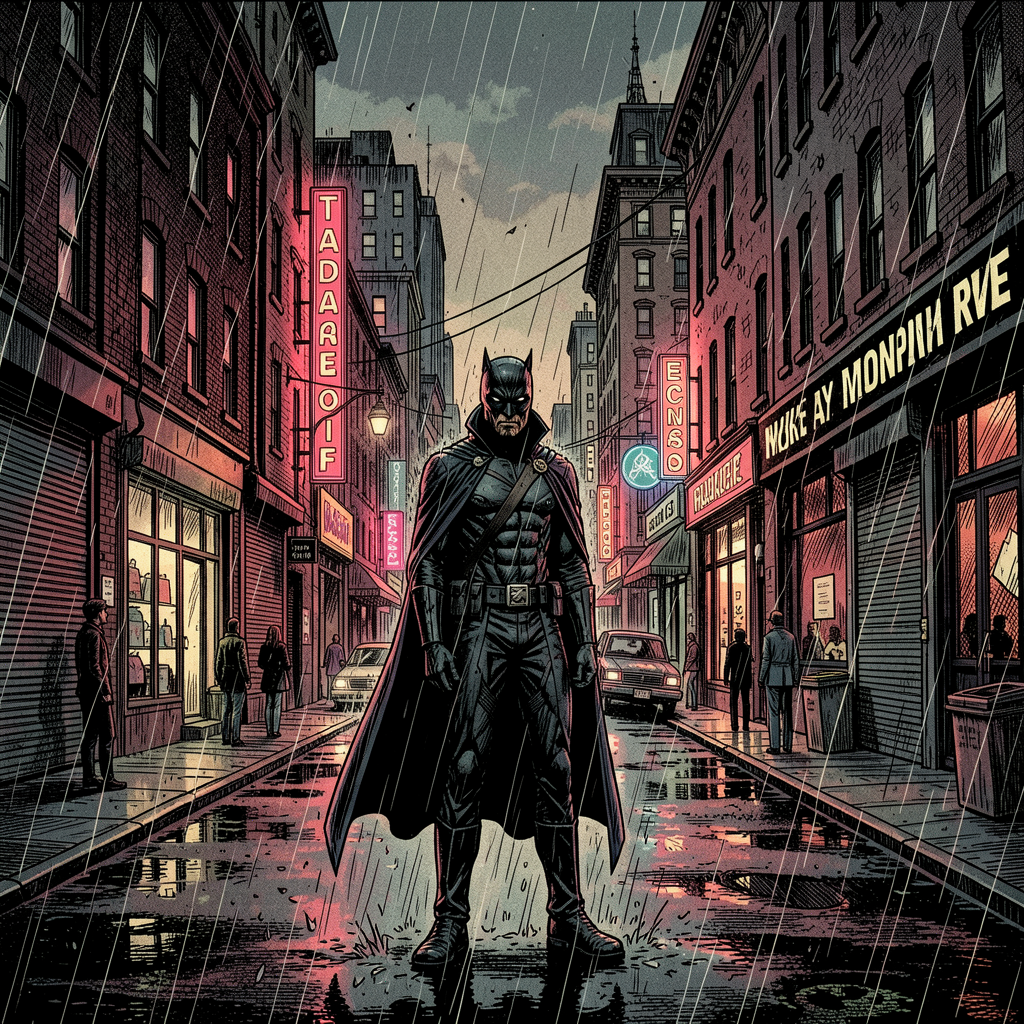
1980s-1990s
THE MODERN ERA
Deconstruction of the hero. Gritty realism, complex morality, and the rise of the "Anti-Hero." Graphic novels like Watchmen and The Dark Knight Returns.
Collector's Archive: Rare Variants